

CALLSIGN is the fortnightly (fun word) playbook for the people of private aviation: aircraft brokers, sales reps, VPs of Sales, the owners who employ them, and the analysts and pilots supporting them. Every two weeks, one installable system that turns what you already know into deal flow. Someone forwarded this? Subscribe and you’ll get the next one before they do.
Sixty seconds after every conversation at NBAA-BACE, talk into your phone. Who it was, what they’re dealing with, what you promised, one thing that surprised you. Each night, paste the day into Claude or ChatGPT with one prompt. It files the contacts, reads the names off your badge photos, lists your promises, and drafts the follow-ups in your voice. You save all of it to a folder on your laptop. By the time you get home, the follow-ups are drafted and ready to review and send. By the Friday after, you have six posts. The booth and travel are the expensive parts. The memos and the system are free.
This one is for the sales rep working the floor: charter, jet card, aircraft sales, parts and MRO sales, whoever’s standing in the booth in the wrong shoes for three days. Broker, VP of Sales, owner, analyst, student pilot: your version is on the cheat sheet.
Leave the recording pendant at home
There’s a new accessory on the show floor this year. The AI pendant, the bracelet, the clip on the lanyard, or Neuralink if you can sneak it on someone to download their thoughts. These record every conversation and write the summary for you. The promise is that you’ll never forget a name again.
No one wants to be recorded. I’m a photographer and I rank getting my photo taken one step above going to the dentist. Imagine how someone you’re trying to build rapport with feels having their every word recorded.
Picture it from the other side of the handshake. A Director of Aviation you’ve just met is deciding whether you’re the person he trusts with a $14 million airplane with owner trip planned immediately after inspection, and there’s a device on your chest or wrist listening. Some people won’t care, some will ask about it, and most will notice and say nothing. The downside is the conversations will get careful…fast. In an industry that runs on discretion, the thing that captures everything costs you the one thing you came for. Legal and socially acceptable are different things.
So this is the version where you do the capturing. Sixty seconds, after they walk away and go back to dreaming about lying down, speak your own words about what was said. Nothing records anyone. What you paste is your choice, and the folder stays on your laptop.
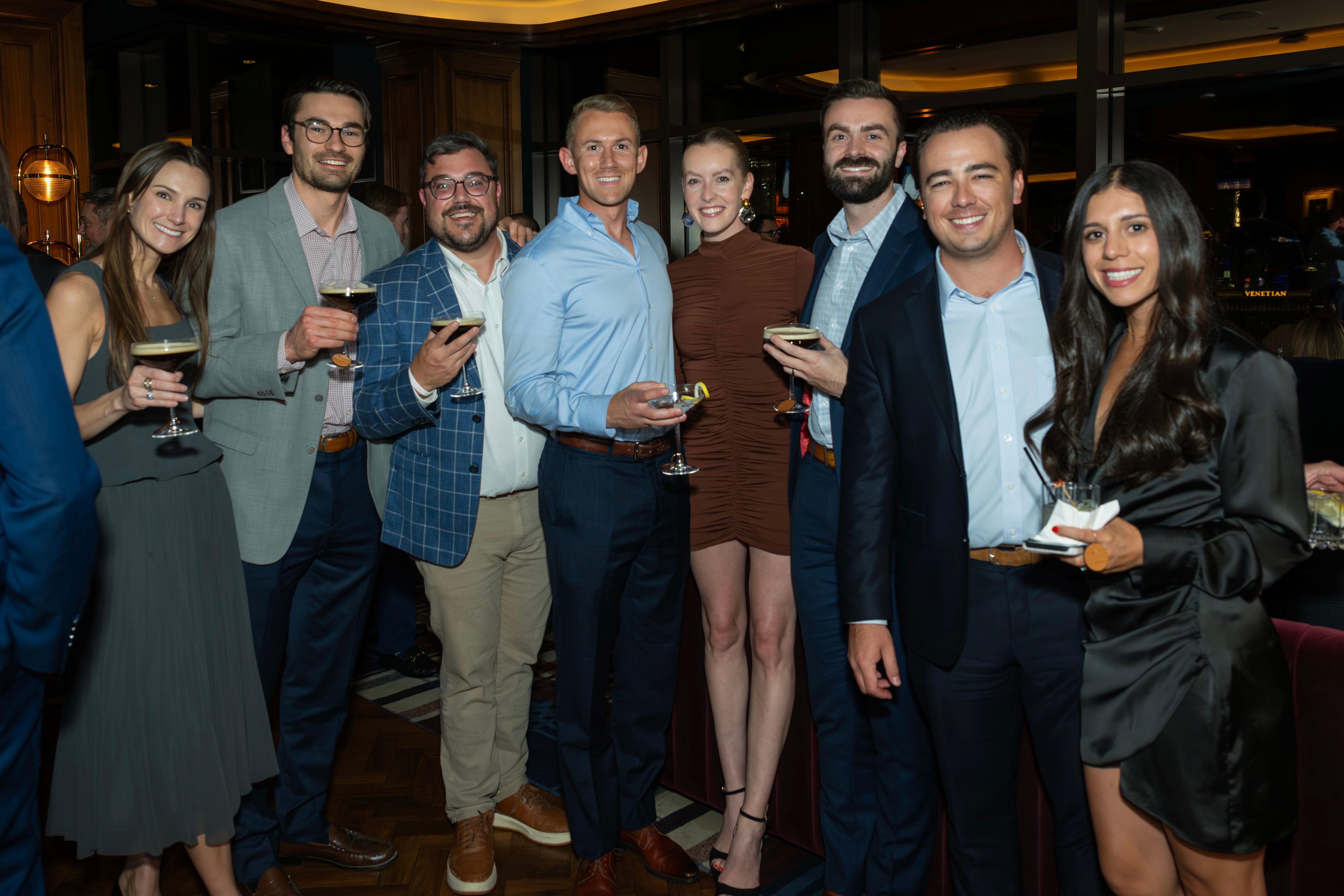
The drawer
NBAA-BACE drew about 17,000 people last year. You’ll have real conversations with maybe forty of them, and you know how it ends: a stack of cards, a plan, then Monday playing catch-up from missing three days of emails, and the cards go in the drawer with last year’s. You know the exact drawer.
Forrester puts the average B2B buying decision at 13 people inside the company and 9 outside it. At the show you shook one of those hands. The follow-up and the post are how the other 21 hear your name. And forty conversations with the exact people you sell to, about what they’re dealing with right now, is a month of posts. Nobody gets that from a show because nobody writes any of it down.
Before you fly (20 minutes)
Book a decent airline (preferably not American) so you don’t miss any of the show. Then:
1. Make a folder on your laptop called NBAA-2026. Everything ends up here: the contacts, the promises, the follow-ups, the post seeds. Not in a chat you’ll never scroll back to. The chat is where the work happens. The folder is where it lives, and next year’s show starts by opening it.
2. Write the brief. Ten lines: who you are, what you sell, who you want to meet, how you write, your follow-up rules. The template is on the cheat sheet. Save it in the folder. If your AI tool has projects, and Claude and ChatGPT both do, paste it in as the instructions once. If not, paste it at the top of each night’s session.
3. Fix your headline. Some people you meet will look you up on the shuttle back from Henderson. Make it say who you help and with what. Issue 5 is the full rebuild. This is triage.
On the floor (60 seconds)
After each conversation, find a quiet corner (or the bathroom stall), open your notes app, or the Claude or ChatGPT app, and tap the mic. Five things:
Who. Name and company, or a photo of the badge.
What they’re dealing with. Their words, if you can remember them.
What you promised. A spec sheet, an intro, a call, a quote.
One thing that surprised you.
Next step, and when.
Put the phone away, wash your hands, and get back to the show floor. The shuttle from the Henderson static display is twenty minutes of dead time, which is where the ones you skipped get done. Last thing each night, before the lobby bar, a two-minute dump of anything you forgot.
Each night (15 minutes)
Paste the day’s captures and badge photos into Claude or ChatGPT with the prompt below. Save what comes back into the folder: contacts, promises, follow-ups, seeds. Four files, or one file per day. Then respond to emails at 2am and sleep for four hours.
The Friday after (45 minutes)
Review the drafted follow-ups and send them. All of them, within 48 hours of the show closing, before the other 39 people they met send theirs. Attach one useful thing they can forward: the spec sheet you promised, a one-page market note, the comparison they asked for.
Then the post. “What people asked me at NBAA-BACE.” Four of the twelve owners you talked to asked the same thing about engine programs. That’s a post: specific, useful, and nobody in it is identifiable.
The 60 second capture and the nightly prompt
Put the five lines in a note on your phone and read them before each conversation until you don’t need to:
Who. What they’re dealing with. What I promised. What surprised me. Next step, and when.
Paste this each night, with the day’s captures and photos under it:
Here are my notes and badge photos from today at NBAA-BACE 2026. Use the brief above for who I am and how I write. Give me four things, each as plain text I can save to a file.
1. CONTACTS: a table with one row per person: name, company, role, what they’re dealing with, what I promised, next step, date. Read names and companies off the badge photos. Anyone without a name goes in a row marked “unnamed” with what I said, so I can fix it.
2. PROMISES: every promise I made, who it’s to, and a due date no later than 48 hours after the show ends.
3. FOLLOW-UPS: a short email for each person, in my voice, opening with what they’re dealing with, delivering or scheduling what I promised, naming one attachment if I mentioned one, no pitch. Mark the three to send first and say why.
4. SEEDS: three post ideas from today, written as patterns, not people. No names, companies, tail numbers, or any mix of aircraft type, region, and detail that points to one person. Note which capture each came from.
Then stop. If a capture is unclear, ask me one question about it.
The one-page cheat sheet has the brief template, the Friday prompt, and the version for every seat: Download the cheat sheet, no email required →
“I have badge scans”
The scanner belongs to the booth. It captures who. It doesn’t capture that the DOM said their engine program goes out of coverage in March, and that sentence is the follow-up. Your memos capture what, and they go home with you.
Which is the rule. The contacts file holds other people’s names and what they told you, so it stays in the folder and never in a post. Posts carry patterns. Expertise is public, clients are private. Check your firm’s AI policy before you paste anything from work.
The receipt
This system goes through its first show in two weeks, with me. The numbers land in the next Field Notes issue, including the ones I’d rather not publish: captures made, the number of times I want to sit down, follow-ups out inside 48 hours, posts that came from the seeds, and what broke on the floor. Run it too and reply after the show. Your numbers go next to mine.
This week’s assignment
Before you fly: twenty minutes. Make the folder, write the brief, then dictate one practice capture about the last real conversation you had today and run the nightly prompt on it. If the follow-up draft sounds like you, you’re ready. If it doesn’t, fix the brief, not the draft. Reply and tell me which it was. I read every reply.
Next issue, the week after the show: The One Page. The profile rebuild, for the week everyone you met is looking you up.
The booth was the firm’s money. The seven-minute conversations are yours. Bring them home.
Open the NBAA Capture Kit, the web version with the capture log and the nightly block assembled for you. Name and email at the door →
MSC
CALLSIGN is written by Matt St Clair, founder of V1 Creative, the marketing shop for private aviation. If you run a firm and want the company-level version of this playbook, that newsletter is ROTATE.